
Learn here.
Live fully.
University life at KIIT extends far beyond classrooms. It is where learning, friendship, wellbeing, sport, creativity, discovery and community become part of the same experience.
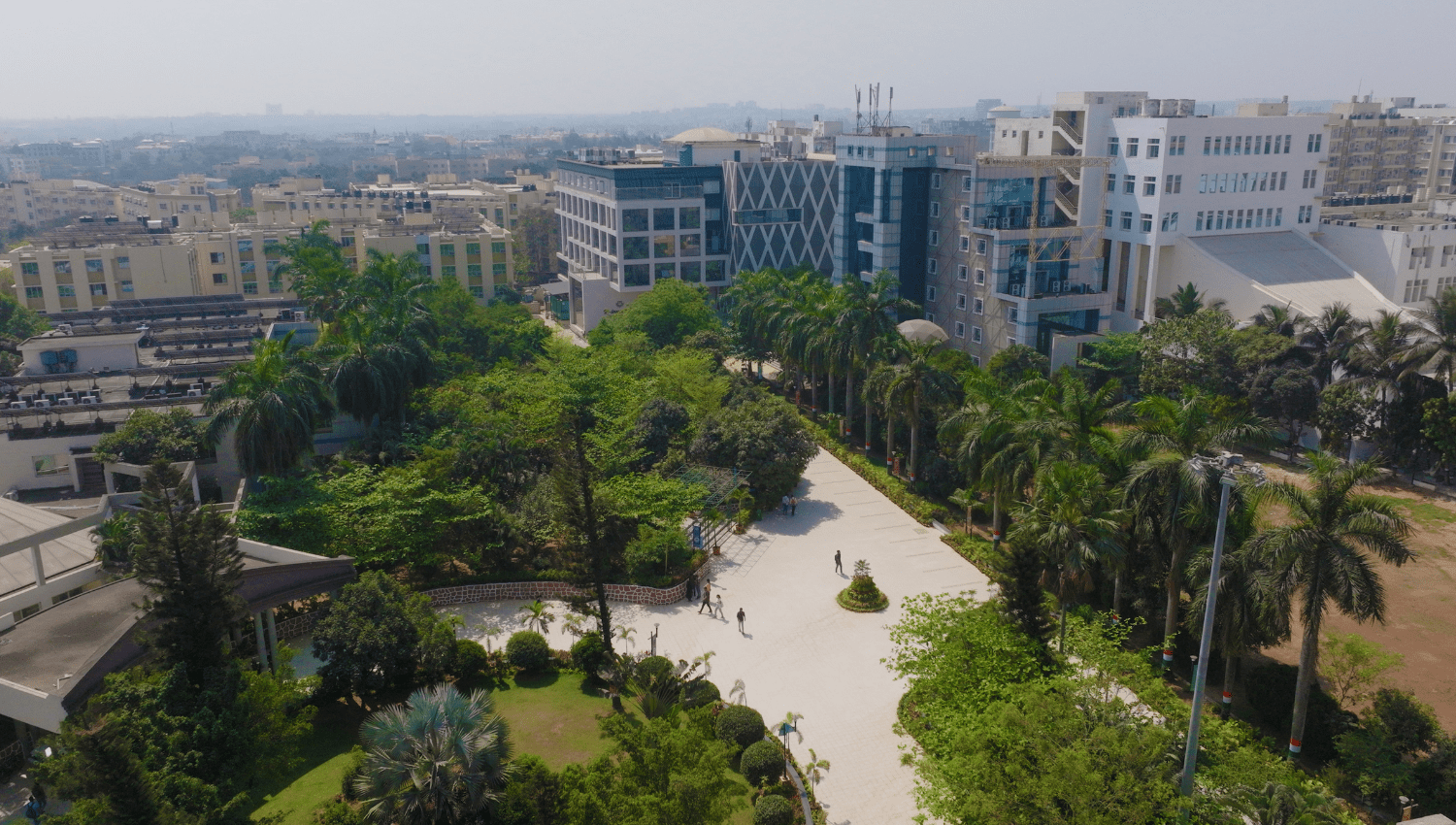
World-Class
Campuses
Sports Complexes
with Swimming Pools
Food
Courts
Sq. km.
Academic Township
Life happens between
the lectures.
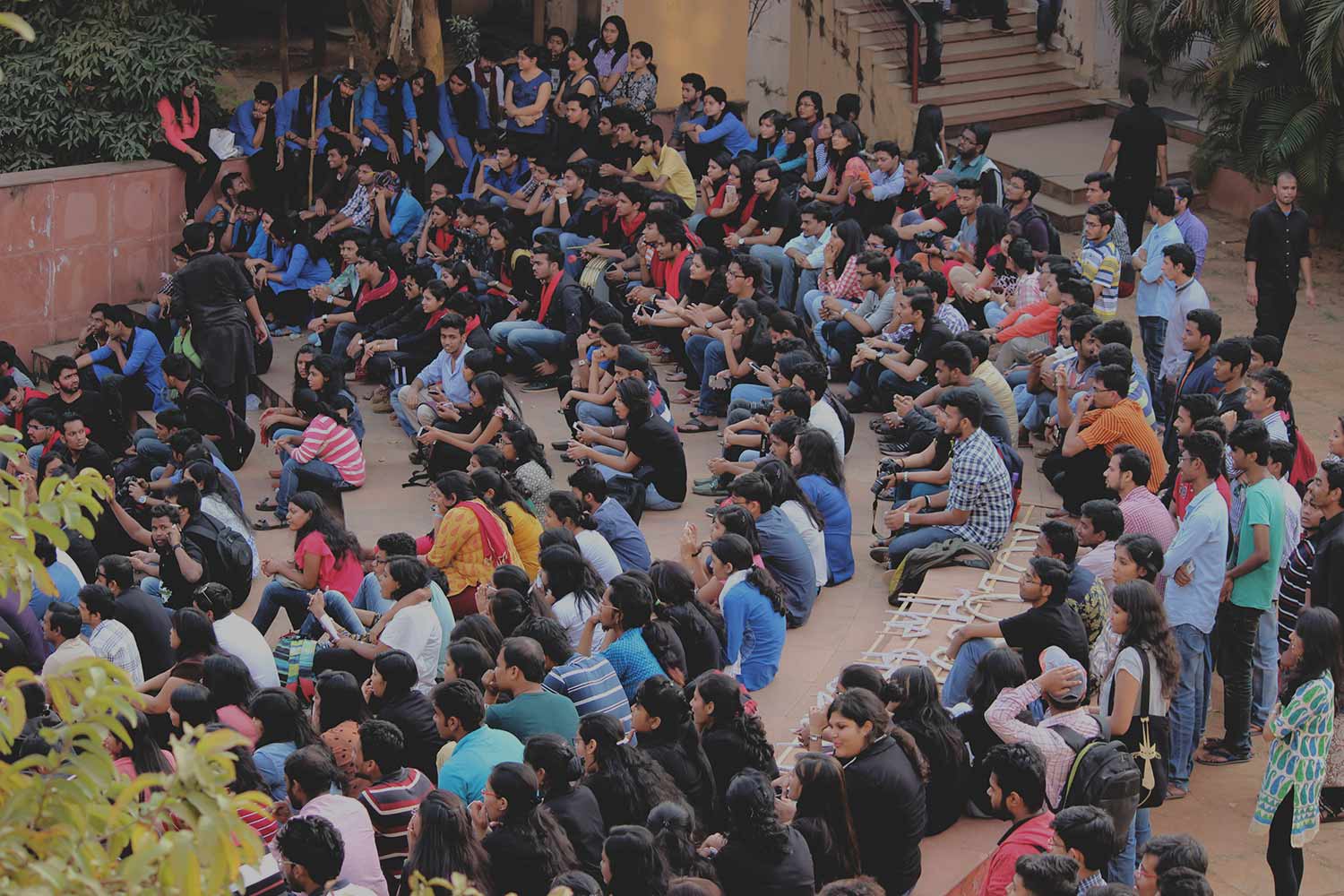
Life at KIIT is more than lectures and study sessions. A packed calendar of events and activities creates regular opportunities to step away from books, meet people and build friendships.
connect and recharge.
A meaningful university experience — inside and outside the classroom.
At KIIT, students have a meaningful learning experience while enjoying all that university life has to offer. University is important, but it should also be a time to make friends and have great experiences outside the classroom.
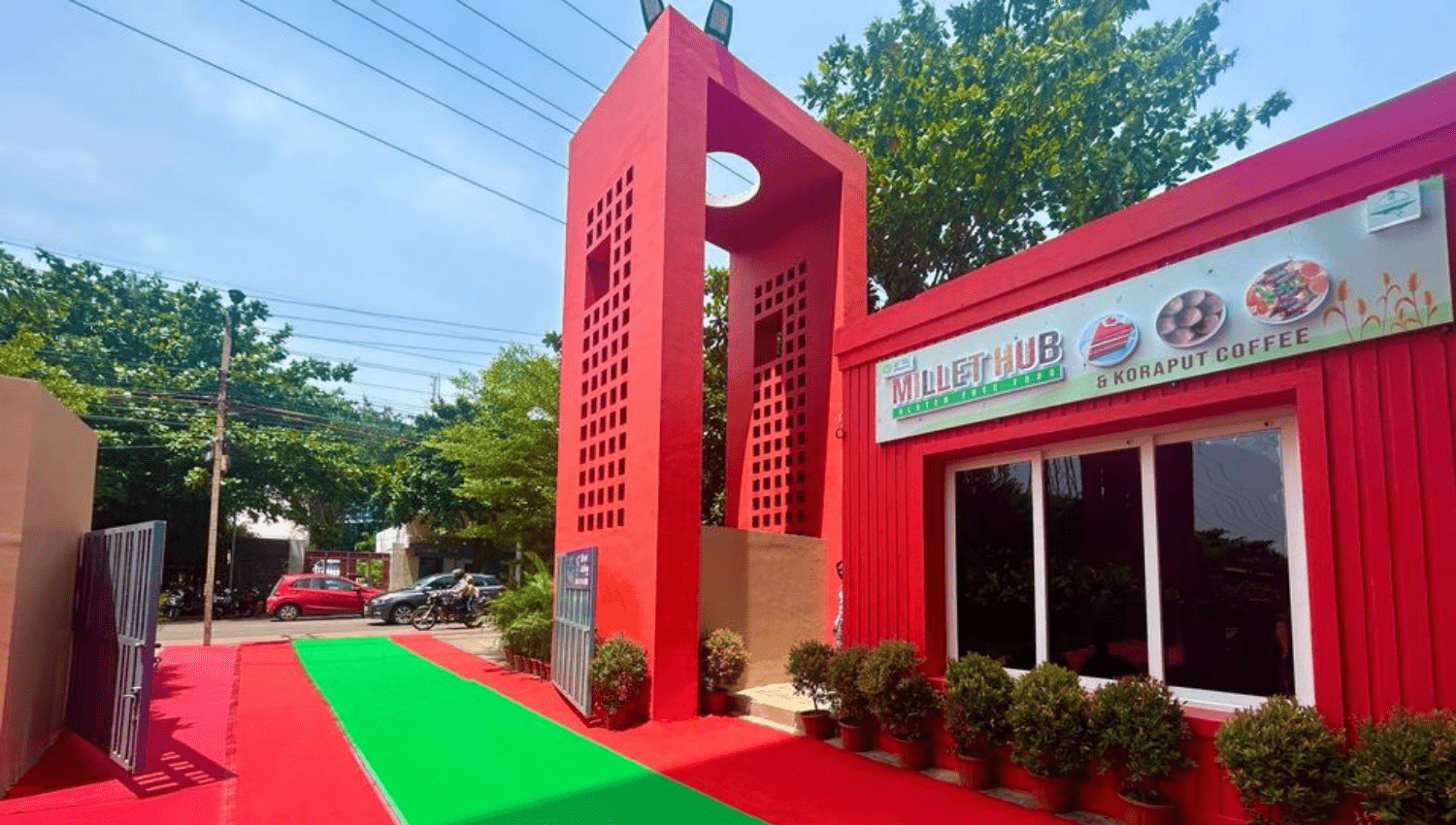
Along with libraries, lecture theatres and Wi-Fi hotspots, KIIT's campuses offer places to socialise, get a coffee and spend time during leisure. Soaking up the university atmosphere, meeting friends and reflecting on classes are valuable takeaways of the student experience.

A smoother transition
to university life.
It is a priority at KIIT to ensure that students make a smooth transition to university and do not feel alone. The orientation programme includes workshops, social events, study groups and opportunities to become involved in campus life.
Participating in these activities helps students make a successful start to their studies at KIIT.
Student-friendly.
Parent-assured.
KIIT's campus experience is supported by academic flexibility, mentoring, counselling, industry engagement, research, entrepreneurship and technology-enabled governance.
Select a topic below to explore the complete framework.
Student-Centric
Governance System
Students are at the centre of KIIT's governance philosophy.
Since its inception, the focus of KIIT has been on a student-centric governance system. The entire system and structure of KIIT has evolved around this focus.
Students are highly satisfied and disciplined due to student-friendly policies. Every member of staff, from the top of the organisation to the operational level, interacts with students and addresses their concerns in a friendly manner.
Choice Based
Credit System
Academic flexibility built around interest, aptitude and career goals.
KIIT University is one of the early adopters of the Choice Based Credit System (CBCS) in the country, in line with University Grants Commission guidelines.
CBCS provides students with the choice to select courses — core, elective and minor — based on their own interests, aptitude and career goals.
Along with a wide range of courses to choose from, the system is intended to ensure a holistic learning experience.
Industry
Interaction
Connecting curriculum, academic governance and industry practice.
KIIT maintains a symbiotic relationship with industry with a vision to enhance the overall knowledge ecology and produce industry-ready professionals. The University has inducted representatives from industry into Boards of Studies and introduced industry electives.
Entrepreneurship
Guidance, resources and incubation for students with entrepreneurial ideas.
KIIT actively promotes entrepreneurship among its students and young people at large. An Entrepreneurship Cell has been set up to provide guidance and resources to students with interest and aptitude.
KIIT Technology Business Incubator (KIIT-TBI) offers incubation facilities for new ideas through various stages of entrepreneurial development.
About 35 enterprises have successfully graduated from KIIT-TBI, while many others are in the process. KIIT-TBI is supported by DST and various other bodies of the Government of India.
Explore KIIT-TBI
Student
Research
Research and innovation are part of the student learning environment.
Ample opportunity is provided to KIIT students to become involved in research and development activities. The University has taken steps to build and nurture a culture of research, development and innovation.
The Centre for Scientific Research and Central Advanced Research Centre (CARC) have been established to provide impetus to research and development activities by both faculty and students.
KIIT students have been appreciated at national and international forums for research projects. KIIT teams have also emerged as strong contenders in automobile design competitions organised by BAJA SAE and the Aero Design West competition.
Numerous research papers authored by students have been published in reputed national and international journals.
Explore Research at KIIT
Student
Counselling
Guidance for career development and psychological strength.
The Counselling Cell was formed with the intention of guiding students in furthering their careers while also helping them become psychologically strong enough to manage the stresses associated with a successful career.
Counselling is a guidance programme for students in different situations, offering services in the areas of career development and psychological competency.
Student Support & Counselling
Tutor-Mentor
Programme
A faculty mentor supports a small group of students through their academic and personal journey.
KIIT has a Tutor-Mentor Programme in which a teacher is placed as mentor of a small group of students. The programme enhances the all-round development of students by supporting an appropriate classroom environment, broadening curriculum participation and strengthening the relationship between students and teachers.
Mentors provide emotional and academic support, guidance and motivation, act as role models for mentees and also help students in their career growth.
View the complete mentoring framework +
Mentoring System
KIIT Deemed to be University has institutionalised the Tutor-Mentor system since 1997, the year of its establishment as an institution. In this system, the student is termed the mentee and the faculty member is the mentor.
The guidelines for mentors identify the generic issues to be addressed by mentors and define the different categories and responsibilities within the mentoring system.
Background
Effective and close teacher-learner interaction has proved to be a key factor in student learning and success. In recognition of this, KIIT institutionalised the Tutor-Mentor system from its early years.
Issues Addressed
Classes, attendance, course progress, subject difficulties, registration and marks.
Placement, higher studies and entrepreneurship.
Family, friends, important relationships, misunderstandings, money and recent happenings.
Altercations, fights, threats, bunking, fines and complaints.
Problems faced during or after classes that require attention.
Any matter not covered by the categories above.
Mentor
Mentors take care of registration, academic information, interaction with guardians, attendance status, health conditions, general conduct and etiquette, and brand-awareness promotion.
They are the first-tier contacts to receive concerns and initiate appropriate steps towards grievance redressal.
The Mentor Counselling Committee enables senior mentors to groom mentors and counselling mentors through periodic sessions and workshops.
Mentors' Appointment
At the beginning of the academic year, the Dean/Director of each School notifies mentors, counselling mentors and senior mentors from among faculty members.
- A faculty member may be nominated as mentor for a group of students.
- The group size for undergraduate students should preferably be thirty.
- For female students, the current guideline states that a male faculty member will not be nominated as mentor.
- Counselling mentors are nominated from faculty with suitable rapport building and rational decision-making skills.
- The guideline provides one counselling mentor for a student group size of 200.
- Senior mentors are nominated from among senior professors.
Mentors' Responsibilities
- Ensure a cooperative and supportive environment for mentees.
- Hold frequent and regularly scheduled meetings with mentees.
- Keep guardians informed about academic progress, attendance and disciplinary issues where applicable.
- Keep students and guardians informed of organisational achievements.
- Help mentees understand academic programmes and regulations.
- Identify opportunities for discipline-specific and extracurricular development.
- Provide direction to strengthen disciplinary and interdisciplinary skills.
- Identify the need for counselling and arrange interaction with counselling mentors.
Documentation Requirement
| Document | Responsibility | Timing | Purpose |
|---|---|---|---|
| Notification of mentors' appointment | Dean / Director | Beginning of semester | Mentor name and contact details. |
| Primary Data Sheet | Compliance Cell | Beginning of semester | Mentee and guardian contact data. |
| Mentee meeting schedule | Mentor | Beginning of semester | Routine meeting schedule. |
| Interaction Register | Mentor | Routine | Records interactions with mentees and guardians. |
| Individual Files | Counselling Mentors | As required | Records of interactions, support and recommendations. |
| Mentoring Development Workshop | Senior Mentors | At least once a year | Schedule, venue and resource persons. |
Operating Pattern
Further meetings may be conducted whenever required.
Efficacy of the System
Mentoring activities lead to multiple outcomes across a broad spectrum of student activity. Feedback is collected from mentees and mentors.
- Percentage of mentees without academic backs.
- Achievements of mentees.
- Mentor contacts used.
SAP
Technology supporting university processes and campus governance.
KIIT initiated implementation of SAP to improve campus life and add value to the governance system.
The University implemented SAP-MM, FI, HR, Student Life Cycle Management (SLCM), EP, PI, FSS, MSS, ESS, SSS and BIBO modules across its schools and offices.
The system simplifies and digitises university processes and is implemented and managed by KIIT's Enterprise Applications Management Division.
Open SAP Portal
Opportunities to
Discover Self-Potential
Exposure to leaders, ideas, research and competition.
KIIT students receive exposure by attending and interacting with eminent academicians, legal luminaries, corporate leaders, policymakers and scientists who participate in academic conferences, seminars and workshops.
The existing Campus Life page records visits by 18 Nobel Laureates who delivered talks under the Nobel Lecture Series and KIIT Knowledge Tree.
Students are also given opportunities to participate in research and development activities through the University's research ecosystem.
Student projects have been appreciated at national and international forums, including participation in BAJA SAE and Aero Design West competitions.
Outcome-Based
Pedagogy
Programmes designed around intended knowledge, skills and attitudes.
Every programme is designed to ensure that students achieve a desired level of knowledge, skill and attitude specific to a particular area and domain.
Potential employers, faculty, alumni and students are consulted regularly while course structures and curricula are updated.
Course objectives and sequential delivery are designed around programme outcomes, supported by classroom, laboratory and field learning and internal and external assessment.
Project-Based
Learning System
Learning through application, experience and active participation.
Project-based learning at KIIT combines classroom lectures with Live Industry Projects, simulation, role play, case-study presentations, seminars, business exercises, group discussions, field activities, research activities, industrial visits, projects, dissertations, reverse teaching, Tutor-Mentor Scheme and the 'Earn while You Learn' Scheme.
- Student Research Cell for innovative research
- Encouragement to write and present research papers
- Academic seminars, workshops and conferences
- Financial support for innovative competitions
- Financial support for national and international conference presentations
- Student societies and professional chapters
- Invited lectures by academic and corporate experts
Your university.
Your community.
Whether you are exploring student activities, looking for support or simply discovering the places that make up everyday life at KIIT, everything begins with being part of the community.
Facilities
Campus
Images

